A studio for bird study

Tag: winter

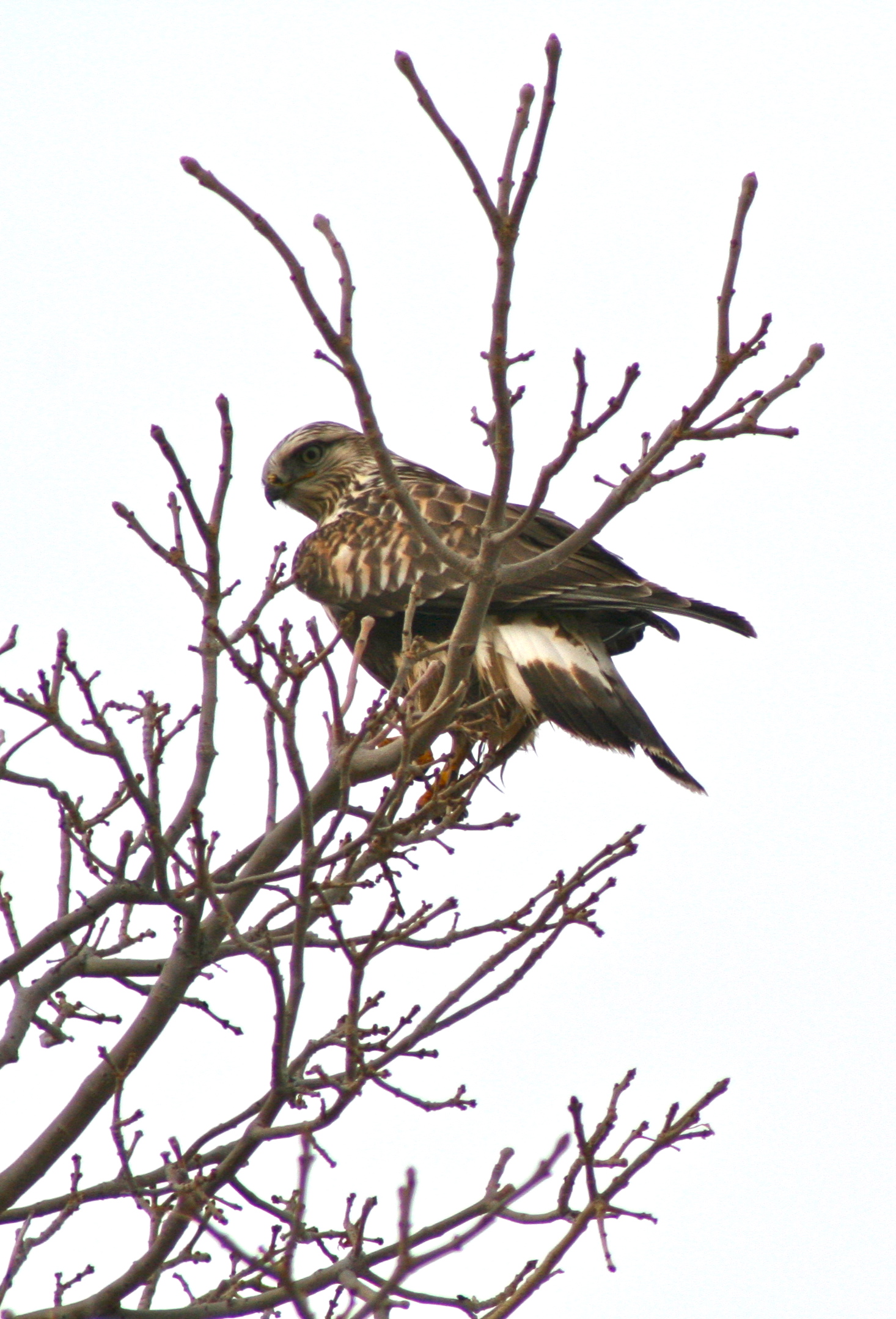
A Hawk In Flight- Buteo lagopus

by Bryce W. Robinson

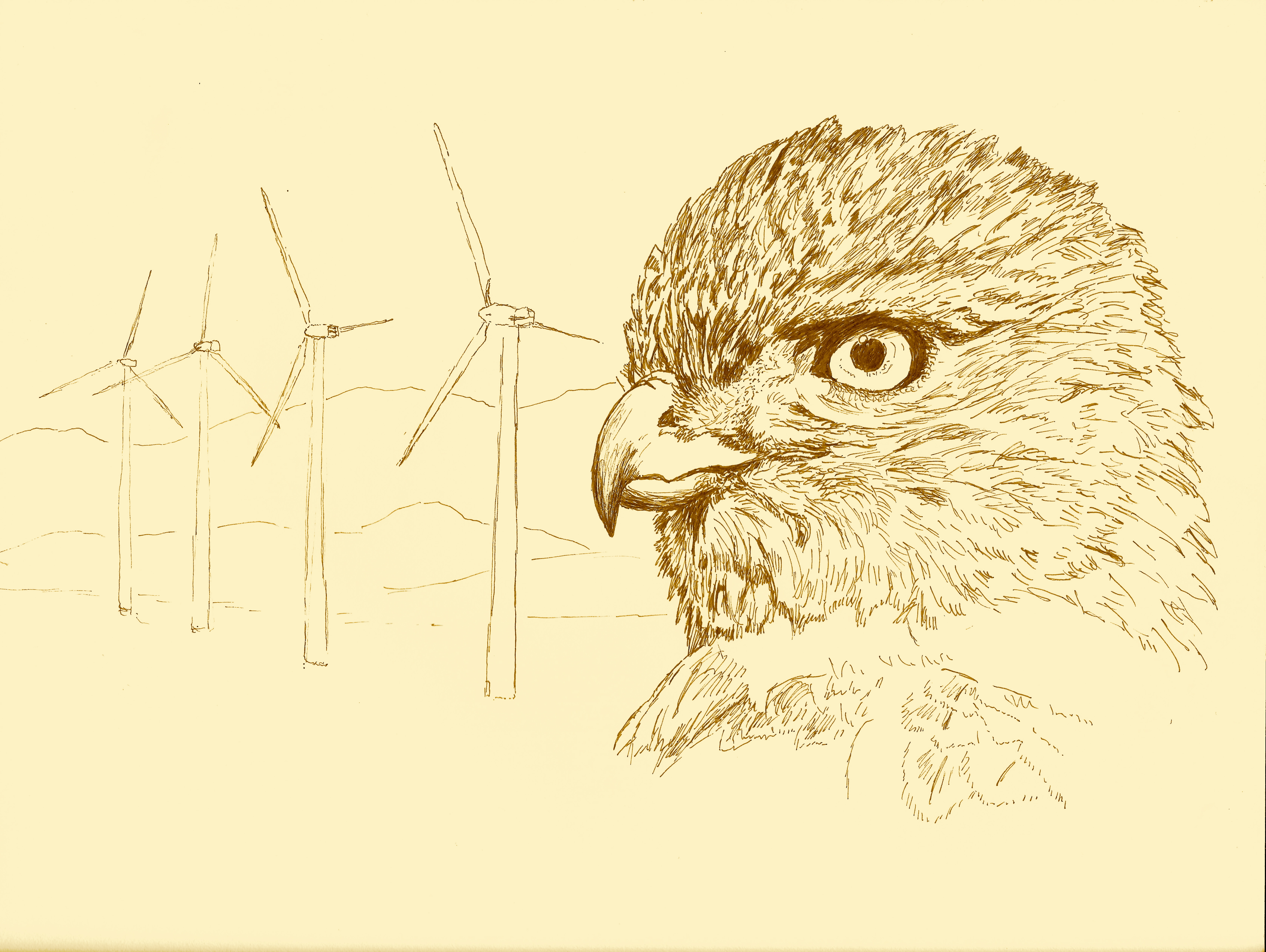
Rough-legged Hawk- Buteo lagopus. Watercolor on paper

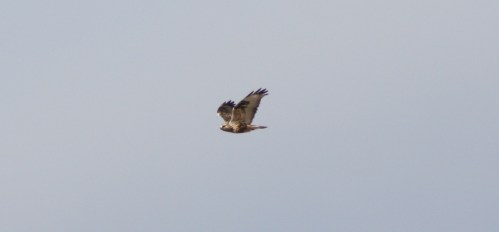
I absolutely love the look of hawks on the wing. Painting them, as I have stated in the past, is a challenge. With the time I spent in the field this winter photographing raptors, I started to gain an idea for my favorite poses of the birds in the air. This winter was a Rough-legged to say the least. I felt blessed, as I had multiple opportunities to watch these arctic breeders vacation in our warm fields. As I have said in past posts, the majority of the birds I saw this winter were juveniles. The plumage of the juvenile is beautiful, full of creams, brown, black and white. In an attempt to pay homage to the scene of the bird in flight, I painted a head on view of Buteo lagopus, the Rough-legged Hawk. If you prefer the style of my past few posts, no need to worry, plans for a portrait are brewing in my bird infested brain.

More Raptors, of Course

by Bryce W. Robinson

I have come to terms with my condition. I have CROD….Chronic Raptor Obsession Disorder. In my opinion it is wrongly termed a disorder. Sure, I will admit that it is odd and certainly passes the threshold of obsession, but it does me no harm… I hope. All in jest, there is no such thing as CROD, but I am beginning to realize my extreme “interest” in raptors.

Christmas weekend was full of countryside raptor watching. I even finally found my Christmas owl. I took my sister out with me and she insisted we pull over to check out some road kill that she claimed was a bird. I was skeptical, insisting it was likely a skunk or rabbit.  In response to her foolish older brother,  she fired back a snide and witty response atypical of a ten year old, “Bryce, is a skunk brown, and do they have tail feathers?!” I quickly U-turned, telling her that if I was turning around for some smashed rodent, she would be in a deal of hot water. Sure enough, I was humbled.

The large bird alongside the road was in fact a Great Horned Owl. The poor creature was victim of contact with a speeding automobile. It was largely intact, and I took the time to examine the incredible predator. I am at a loss for words when describing what intricacies and natural artwork the bird world holds. I was very pleased with my young sister and her insistence on stopping. I have resolved to listen to her more. She is a smart girl, much farther along than I was at her age. I hope the experience with the owl was as special to her as it was to me.

I found I great deal of birds in Sanpete valley, but before I even reached my parents, I had met a raptor near my brothers place in Orem. A juvenile Coopers Hawk sat high in a leafless Ash above the road.

Cooper's Hawk, Accipiter cooperii, Juvenile.

These birds always seem to glare at me as they pose. I love every opportunity to watch and interact with them. My younger brother Camden was with me, and it was he that I had to convince to stop the car and allow me to see the bird. As a sports fan, he doesn’t really identify with my bird obsession. He seemed to really love the bird, and was pleased with the opportunity to see something he normally wouldn’t pay attention to.

Not necessarily a quality photo, but a bit striking nonetheless.

On Christmas day I went for a drive around the northern end of Sanpete Valley. It was a clear afternoon as the sun began to fall towards the western mountains, pouring orange radiance and long shadows that served my mellow mood. The birds in the valley at this time of year are everywhere. Bald Eagles decorated the large trees of the valley, much like ornaments celebrating the season. With a keen eye, other not so noticeable birds also come to view in the tree tops. Merlins can be found all over the valley. I found three in the few hours I was out. My first was a Prairie Merlin, most likely a female, sitting atop a large cottonwood simply enjoying the sun.

The merlin is a very cute raptor. This may be a bit bold to say, but I can’t help but calling these killers cute. Kestrels fall right in line, and although I constantly see them ripping mice and voles apart, I still find them adorable.

I do not often see the Ferruginous Hawk in Sanpete Valley. In fact, until this year I never have. Christmas weekend provided me with close views at two birds. Analyzing the photos, I can’t help but think that the two birds are the same bird. After all, I found them only some five kilometers apart. Still, it is always exciting to see Buteo regalis, and even more exciting when I can get some photos.

Ferruginous Hawk, Buteo regalis, adult. Christmas day bird.

I was very happy when I captured the bird in flight. The sun shone from the opposite way, so the plumage was not highlighted to my liking. The bird does have some aesthetic, as the edges shine gold from the late afternoon sun. I was happy with this photo until I found the second bird the next day. This time around, I was able to get closer to the bird and take some pictures at a closer distance and in better lighting.

Note the bluish coloring on the scapulars. Such a visually striking species.

The bird then flew south and I was able to get a few shots before it vanished into the horizon. I am hoping to get out and find this bird again. Ferruginous Hawks are a favorite. I am so intrigued by their interesting plumage. As an artist, the bird satisfies my need for a tickling and tantalizing visual.

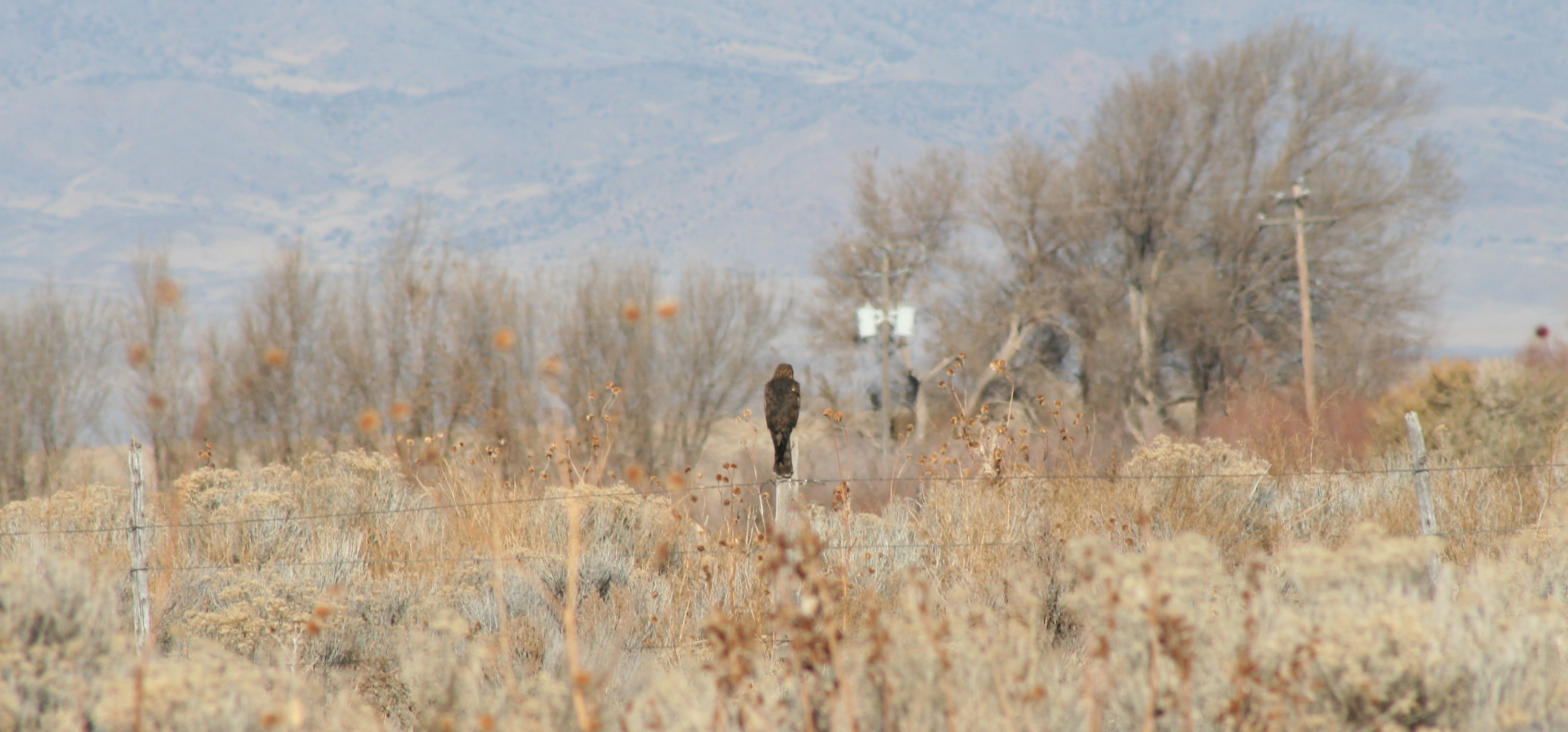
As we moved east through the farmlands, my sister and I found a very dark Red-Tailed Hawk in a grove of trees near the San Pitch River. I always get excited about dark morphs, and the possibility of the Harlan’s Hawk. At first, I snapped photos of the bird thinking it was indeed a Harlan’s. The bird took to the air and circled me, giving me ample opportunities to capture photos at all angles. After reviewing the pictures, my confidence was shaken. I now feel that the bird is probably a dark morph, but the tail has some very interesting characteristics. I have decided not to share the photos until I come to a confident conclusion of what I saw, if I ever do.

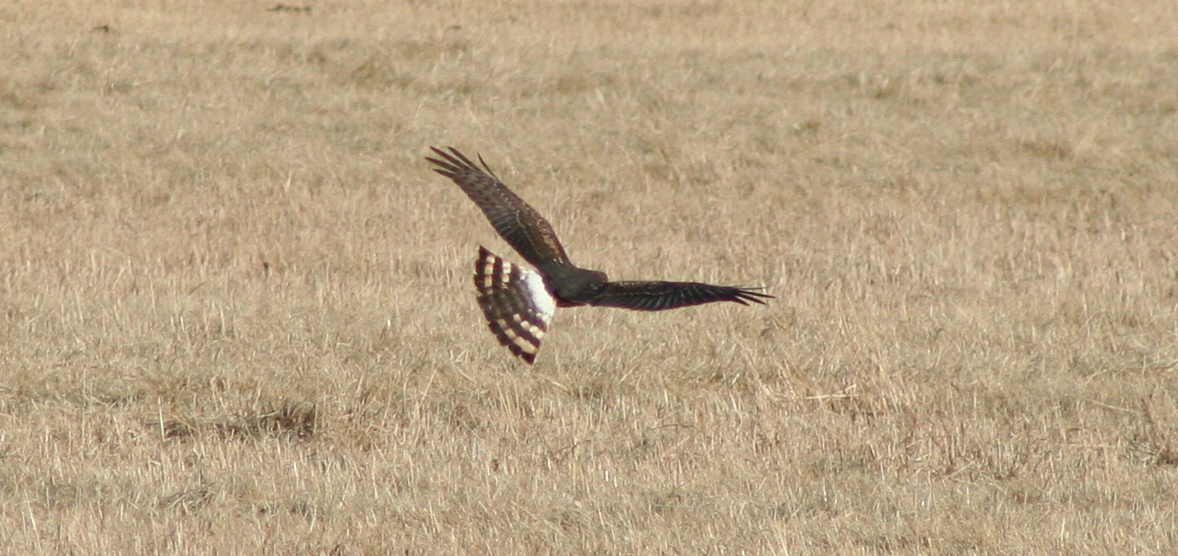
The Northern Harrier is always fun to watch. They are very common in agricultural and riparian areas across Utah. It has been my recent goal to strengthen my identification skills with the bird. I am beginning to get a handle on differentiating juveniles from females, and always can tell the males apart. The bird I found along the San Pitch, in a horse field, causes some intrigue.

Northern Harrier, Circus cyaneus. Surely and adult due to the apparent molted and replaced retrices. No dark wing tips and brown plumage indicates a female.

I love finding birds that have interesting or peculiar characteristics. This bird has molted its inner tail feathers. The bird seems a bit male like due to the grayish tones of the new tail feathers and wings. I am a bit perplexed and may seek some insight.

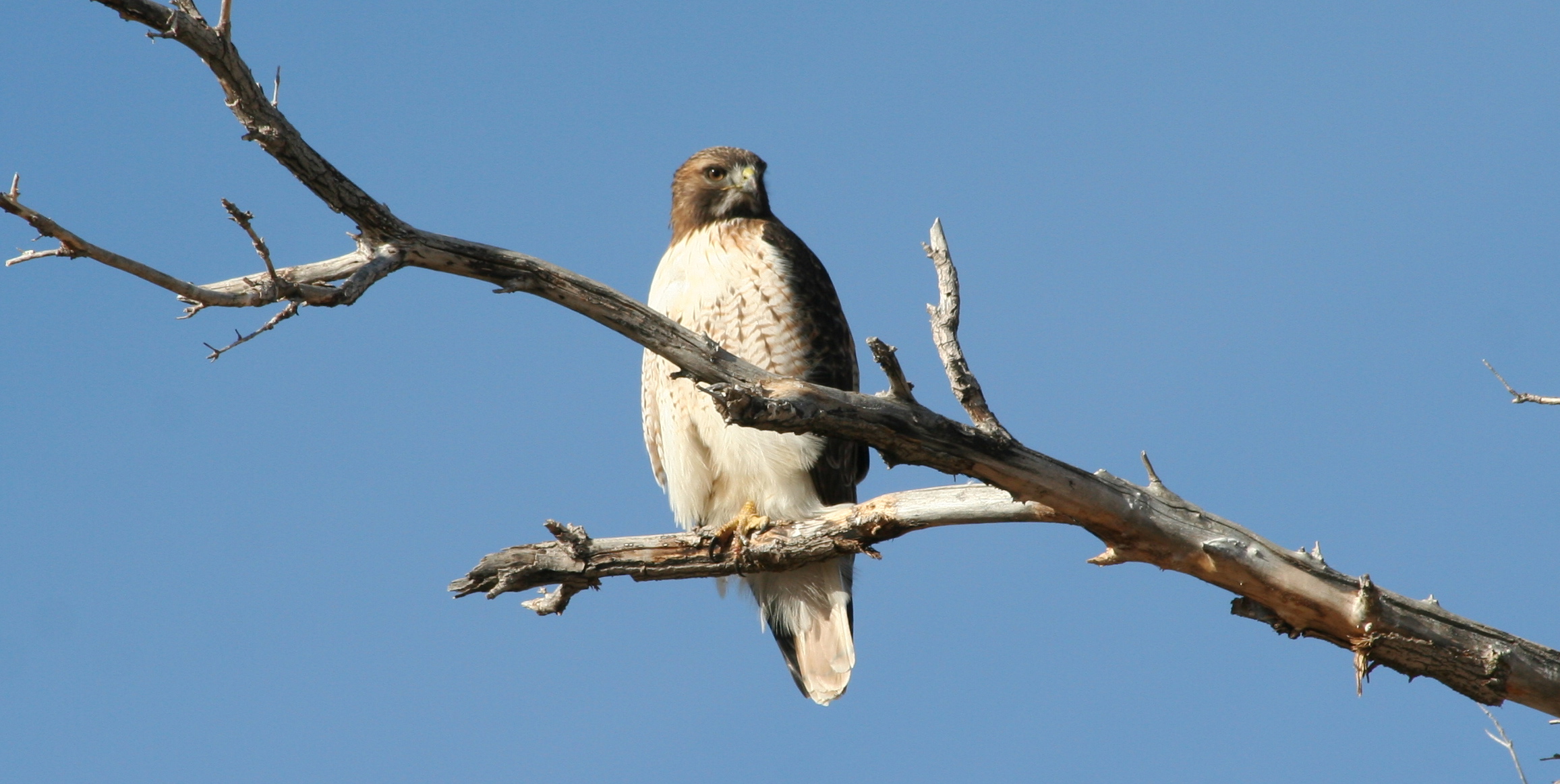
Typical adult light morph Red-tailed Hawks are not uncommon, even plentiful, around the farmlands of Sanpete County. Still, I am always taking the time to stop and watch. They can be so diverse, and I love to see the differences each individual presents. I found a bird above a farmhouse, in a large tree surrounded by a menagerie of Starlings, sparrows, and doves. That in itself was intriguing, so I stopped and photographed the bird. The lighting was spectacular, and I am very satisfied with the image.

Buteo jamaicensis, adult light morph western Red-tailed Hawk

I spent a lot of time along the San Pitch River because I have seen a number of Belted Kingfishers on branches that overhang the water. No luck with finding any, in fact there was an overall absence of anything non raptor, especially passerines, save the ever-present Starling and House Sparrow populations. Magpies and Ravens were also a plenty, but I never seem to find any that are willing to be photographed.

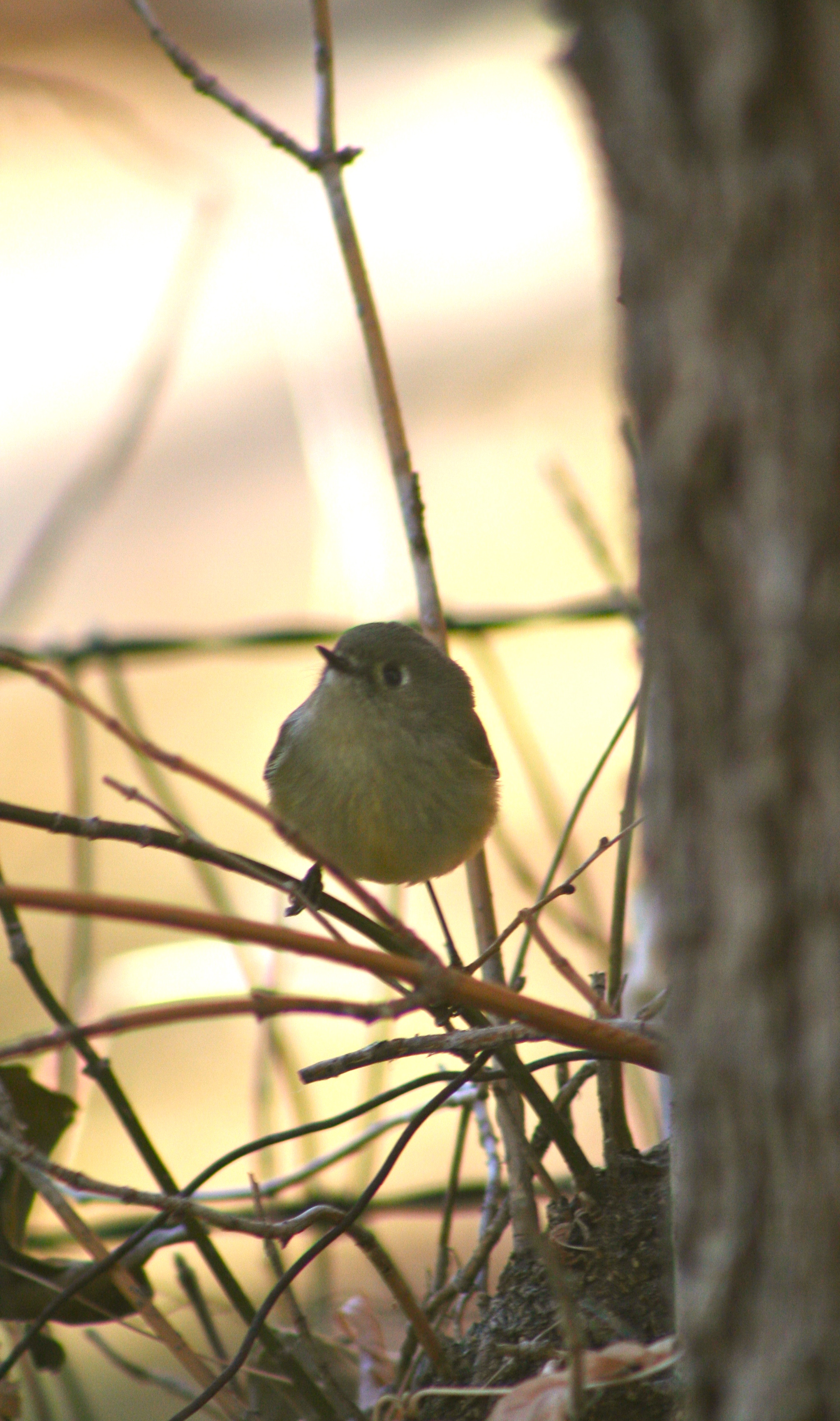
Lastly, I would like to include a poor photo of a bird that visited my feeder a few days ago. The Ruby-crowned Kinglet is not so common, but oh so delightful to see. As cute as the Merlin and Kestrel are, the Kinglets take the cake.

Ruby-crowned Kinglet, Regulus calendula

Winter Raptor Surveys- The Second Stint

by Bryce W. Robinson

Winter leaves a landscape sometimes snow covered with skeleton trees and frozen waters. Many find winter dampening, depressing, and void of beauty. I however, feel otherwise. My second stint in search of wintering raptors was full of breathtaking scenery and striking beauty. The desert aesthetic is an acquired taste for some. I myself have always been drawn to the subtle beauty of the sage steppe. After this past week, I have a renewed value for winter in the high desert. Sunset casts a warm glow across the cerulean lands, creating a calm comfort for all that feel. The juxtaposition of the warm glow of the setting sun against the harshness of the winter world and the impeding night is a wonder of the natural world. Balance is ever present, and even the wild creatures know enough to take advantage of the simple pleasures in life.

I came upon the Short-eared Owl atop the wheel line, watching the sun fall into the western skyline, seemingly dazed and content with the time at hand. In retrospect, this scene speaks to me in many ways. Perhaps the wild ones feel the importance of taking advantage of the simple pleasures of life, and slowing down to enjoy when times are good. No doubt that due to the way the owl reacted to my presence, it had recently finished a meal and needed nothing but to enjoy the warmth of the sun before the frigid frosts of night.

Colors are not vibrant or particularly potent in the high desert, but they are of course present and play a dramatic role in creating the world that I love. Taking in the expansive valleys surrounded by large goliath stone mountains creates a sense of mortality, deep time, and insignificance of individual life. These feelings coupled with the spectacular images provided by the sunlight and its play on snow filled clouds moving high above the valleys provides a sensational experience. I often found myself in deep thought and feeling as I reflected upon the wonders of the Great Basin.

The beautiful but simple colors of the desert provide the perfect backdrop for the many creatures that accent the scene. Many gregarious species travel the sage and rabbitbrush in search of food. The Juniper Titmouse is perhaps a favorite, and the sage landscape’s Bushtit, but of the many sparrows and larks, bluebirds, even buntings, the lone Loggerhead shrike is a favorite. The way the bird travels and hunts is delighting. Perched atop a shrub, the shrike steadies, surveying for prey. The bird’s flight is full of swoops, and charms the eye with the contrasting black, grey, and flashing white. In winter, the Loggerhead is joined by a relative, the Northern Shrike. I was lucky to find this relative and recognize what separated it from the Loggerhead. I was, however, unlucky in capturing an acceptable photograph of the bird to contrast it against the Loggerhead.

Raptors were everywhere to be seen. From the farmlands into the desert, the birds occupied every niche. Each time I came upon a bird, I did my best with identification, to glean information the best possible particular, and photograph with every opportunity. A bird that was more present than the previous November stint was the Rough-legged Hawk of the great north. With every Rough-legged I practiced my identification, strengthening my skills and enhancing my experience with the birds.

Identifying Hawks In Flight

As the Rough-legged Hawk was more present this month, I took the opportunity to hone my identification skills down to the particulars. In flight sexing, if possible, is very difficult. With some raptors, even ageing becomes nearly impossible. With the help of the camera, I was able to make take my impressions and assumptions, review the photos, correct my mistakes, and cross reference my field guides for the most precise analysis I could muster. This approach is what I call in depth field study.

The above photos are examples of what I would so often see as I watched a bird through my binoculars. I was able to tell almost instantly the species, but narrowing my ID any further became a challenge. The bird above flew through the area quickly so an in flight ID of sex and age was not possible. After reviewing the photos I found that due to the mottled under-wing lining, obvious dark bib, and dark trailing edge to the wing, this bird is most likely an adult male. There are pitfalls to some of these criteria, but I feel fairly confident in this ID.

While photographing a Horned Lark in a high desert valley on my last survey day, I noticed a large shape growing larger in the sky. Looking up, I saw the familiar flight of another Rough-legged wandering north, perhaps in search of food. The bird flew directly overhead, giving me a great opportunity to photograph and observe at close range. The excitement kept me from making any ID on sex or age, but again I went back to the photo to see what I could tell about the hawk. The most notable feature is the nearly black belly band of the bird. This coupled with the pale wing edge and tail band indicates that the bird is a juvenile. Also, there is a faint hint of paleness to the primaries, which supports the juvenile conclusion. Still, the mottled under-wing coverts and heavily marked breast make me wonder if this could be a male. So far in my study, nothing has told that it is possible to sex a juvenile. Perhaps this particular could be basis for future research.

The Ferruginous Hawk seemed to be more present this month as well. I saw many more birds in the farmlands and desert alike. The strikingly rich colors and contrast of the Ferruginous Hawk give the bird an heir of royalty. Its fierce gaze exemplifies this royalty as well. No wonder the bird was given the epithet regalis, for its regality is unquestionable.

While surveying an area only miles from the Milford wind farm, I saw a large hawk flying across the horizon. After a quick glance through my field glasses, I knew the bird to be a Ferruginous Hawk. With a silver head and nape, rusty red coverts, pale primaries, and prime white tail, the large Buteo could be nothing else. I have since researched how to tell the difference between an adult and immature Ferruginous, and I believe the bird below is a typical adult light morph bird.

Given the rufous upper-wing and underwing coverts, rufous leggings, and the white tail lacking a terminal band, I feel fairly confident in my analysis. As with all buteos, when the varying color morphs are introduced, it can complicate things. The Ferruginous hawks I saw were all light morphs, save one. Atop a power pole only half a kilometer from the town of Minersville, I found a large dark bird watching a field for prey. I was unable to get a decent photo, but the picture below will have to do. I cannot help but share the bird.

Given the lack of a terminal tail band, I believe this bird to be an adult. There is a dark trailing edge to the remiges, but due to my mediocre camera skills, I chopped the wing in any other flight photos I took. I plan to go back to the area on my third stint to find this bird again and make another attempt to photograph it. One particularly neat aspect to this bird, and you can see clearly in this photo, is that the belly is a bit paler than the rest of the birds body. Dark morph buteos, especially in lagopus, seem to retain their plumage patterns. This makes sense as the dark plumage results from an increase in melanin in the feathers. In the case of this Ferruginous, the increase seems to be in phaeomelanin, responsible for rufous tones, and the areas where the rufous already exist seem darker than the areas that are regularly pale.

I could not believe the number of birds that occupied the areas that I travelled. Without question, the most incredible experience of the second survey stint was seeing the Short-eared Owl atop the wheel line, glowing golden from the falling sun. Content for the time being, the bird watched the warm rays as they caught fire against the frozen valley. As I watched the dazed and docile bird, I realized that for the moment, the Short-eared Owl and I shared a feeling some call heaven, some call pleasure, some call perfect. It is a feeling I live for, found so often at dusk. It is the feeling of life, and the Owl and I let the feeling pour upon us like warm water. As cars rushed by, I wondered why others would not stop to watch the sun fall. As mortal creatures, as any life is, it seems foolish to ignore such instances. I want to think that somewhere in the bird that watched the sun, there was a feeling of mortality and gratitude for the sun. Probably not so, but the bird served as a messenger to me the sentient, and drew my attention to the sun, the giver, the life provider for all.


Winter Raptor Surveys- The First Stint

by Bryce W. Robinson

Wintering raptors take precedence above any winter birding, in my book. True, the lakes and wetlands hold an impressive variety of waterfowl and seabirds en route to their wintering grounds, but nothing can be as exciting as the invasion of the bird worlds proudest members. I find feeder watching very rewarding as an opportunity at close range study, however, the birds of prey that populate the agricultural areas throughout the winter months provide easy insight into a world otherwise difficult and distant. Many raptors become docile and tolerant during the winter months as they attempt to conserve their energy with the limited resources they have. Territoriality is dropped, and birds crowd fields, fence-lines, wheel-lines, tree-lines, and roost-sites. Even birds of varying species tolerate one another as they watch for prey.

Last weekend, conducting winter raptor surveys around Beaver and Milford, Utah, I observed a field full of Ferruginous and Red-tailed Hawks. The Red-tailed Hawks mainly rested on a retired wheel-line, but the Ferruginous Hawks seemed to prefer the ground. As I scanned the field and took note of numbers, I observed one Ferruginous Hawk running as a dinosaur might. The bird was in pursuit of some furry creature foolish enough to come above ground. Such behaviors are the reason winter ecology is so intriguing. It seems the birds let go of all reservations to ensure their survival through the harsh and unforgiving months.

HawkWatch International conducts winter surveys every year with the help of a very dedicated volunteer staff of Citizen Scientists. I have been involved in the past, but this year I was asked to take on some part time work conducting winter surveys for a proposed energy development project for the Cedar City Office of the Bureau of Land Management. Currently, northeast of Milford, there is a large wind farm as well as a geo-thermal plant. In hopes of expanding and developing more areas for renewable energy, the BLM has approached HawkWatch International to conduct a comprehensive study of the raptor populations that exist in the proposed areas. The findings from the study will contribute to the environmental impact statement(EIS) that will be necessary for any energy development in the area. I am happy that I am involved in making sure the correct steps are taken before developing lands for renewable energy, and that I am not conducting surveys to help ensure the creation of anything that burns fossil fuels for energy. It all seems pretty moral to me, which is exactly what I want to be doing in my life.

I love the American west, and all of the creatures that inhabit it. Yes, that does include humans, however, it was revitalizing to have a respite from city living, some solitude and satisfying loneliness as I searched for the big cats of the bird world. One thing that the surveys have provided me, and perhaps the most important, is the opportunity to get out and study birds firsthand. In only the first stint of the season, I have already found valuable learning experiences, and my knowledge has grown considerably. It would be foolish not to share what I have learned. so share I shall. The following discussion details identifying age groups in the Golden Eagle, made possible through photographs.

THE GOLDEN EAGLE- Aquila chrysaetos

I came upon a number of eagles in the days I travelled the countryside. Many were in the air riding thermals, but I did have the luck of finding a few birds perched atop power poles. As I have learned more about raptors, I have worked towards honing my identification skills to sex and age, where appropriate. Aging eagles is tricky, but it is a necessary tool for understanding the dynamics of the populations especially in surveys for development. Correctly identifying immature birds from adults is critical for a precise analysis of the status of populations, but I have strived to take it a step further in pinpointing the bird to its relative age. As eagles in general do not gain adult plumage until their fifth year of life, it becomes a challenge to tell the age of an immature bird. I decided to reach out for help from one of the nation’s leading raptor experts, Jerry Liguori. His help has been invaluable.

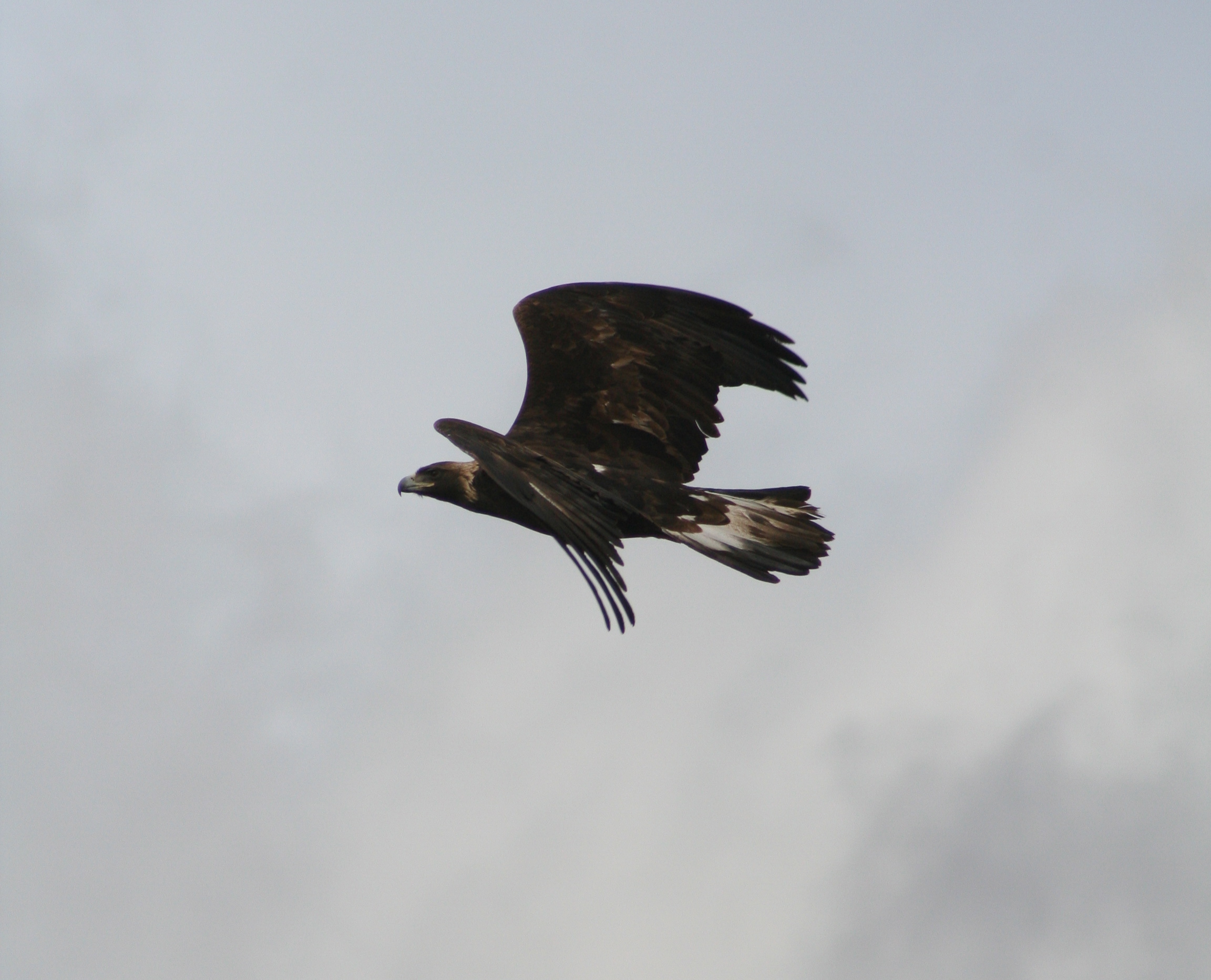
The Golden Eagle I would like to discuss was a bird I found atop a power pole just north of Milford. I was en route to the geothermal plant on my survey area, but I could not fight the urge to pull over and bother the poor bird. After a few minutes of tolerating my intrusion, the large eagle lifted from the pole. My camera went into action as the bird retreated into the air. My photos have afforded me a few good looks at the plumage of this bird, and the opportunity to analyze and learn what can help me make a conclusive decision in ageing Golden Eagles.

As a general rule, I have always used the presence of white on the wings as an indicator of a juvenile or subadult bird. As I have learned more, I have come to the realization that this criterion has its holes. The presence of white on the wings should never be used as an indicator of age. The certain indicator differentiating an adult from an immature bird is the presence of white on the tail, or the lack of complete adult feather sets. As the bird ages, it staggers its molt. By Year 3-4, or when the bird is in Basic III plumage, it molts its inner and outer most tail feathers creating a dark central band, or split looking tail.

As seen in the preceding picture, the bird I found had a seemingly complete white band on its tail, so it must not have reached Basic III plumage.  Another hint to its age is the presence of the tawny “bar” on the top side of the wing. This bar that comprises the Upper-wing coverts can tell us whether the bird is a juvenile or not. If the tawny bar is lacking, then the bird is a juvenile, still in its first year. This bird has an obvious bar, so it must be in its second year, at least.

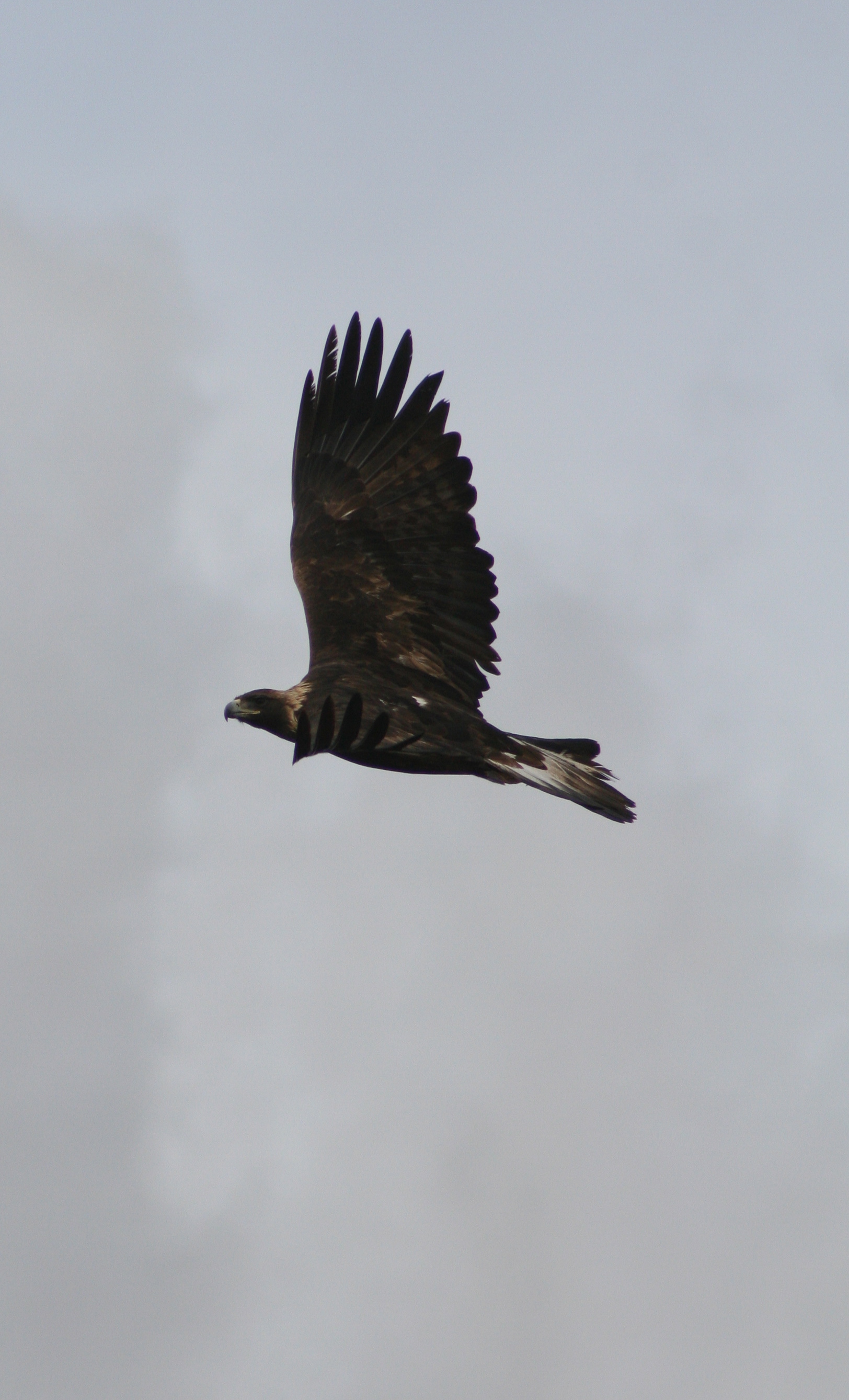
The conclusive factors indicating this birds age come from another photo showing the remiges. Assessing molt in the field can be difficult, in reality, nearly impossible, so photos provide the opportunity for a careful look at birds. Look at the primaries and secondaries for any disparities or anything that stands out. Even before I consulted Jerry Liguori, I had picked up on the fact that P9 and P10 on this bird looked very worn.

Often P1-P4 will molt in the first basic molt of the bird, then the next year P5-P8 will fall. The bird retains P9 and P10 into its third year. As the photo suggests, the worn and ragged look of P9 and P10 indicates just this fact. Also, the secondaries will drop in like fashion, and a bird in Basic II plumage may retain S3,S4, S8, or S9. These feathers protrude slightly past the trailing edge of the wing, as they are longer than the newer feathers. The bird I photographed shows this perfectly. S1 and S2 are obviously recessed in relation to S3. S8 and S9 stick out like a sore thumb. Seems conclusive to me. With the help of the camera, and some schooling from Jerry Liguori, I now have a precise identification; An immature Golden Eagle in basic II plumage, a 2-3 year old bird.

I would like to thank Jerry for his help with this discussion. My gratitude and respect is given for those willing to share their knowledge. The world would be nothing without those that are willing to teach.

I will soon be posting about juvenile Red-tailed Hawks, and Merlins.

Till then, happy birding.

B William